Where to watch Toronto’s salmon run this fall—and a free October event to know
Autumn brings migrating fish into local rivers. Start with a public viewing spot, leave room for changing conditions, or join TRCA’s free Morningside Park event.
At a glance
Key details
The details that matter most, in one place.
- Humber viewing season
- Typically late September to mid-October; timing varies
- West-end starting point
- Étienne Brûlé Park and the Old Mill area
- Free guided-event option
- Morningside Park, October 4, 10 a.m.–3 p.m.
- Sightings
- Wild fish; no particular day or viewing spot is guaranteed
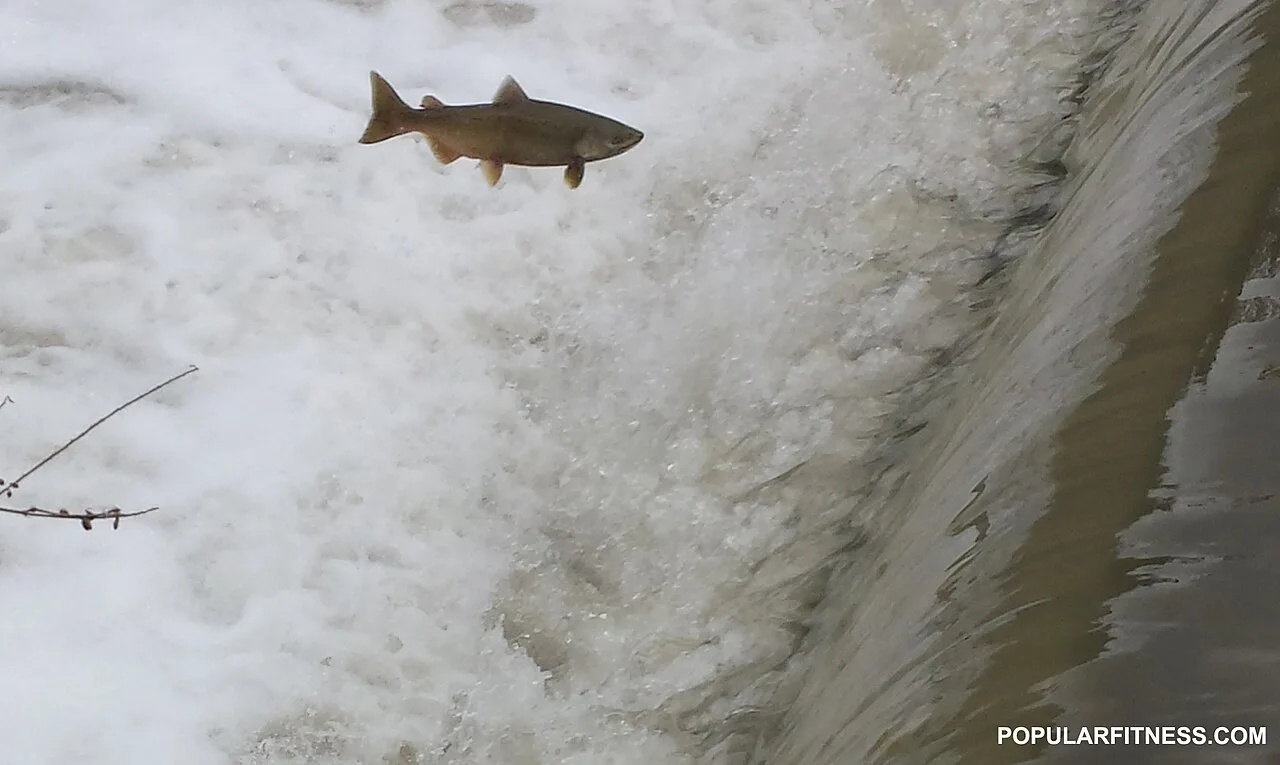
Toronto’s fall salmon run is a seasonal wildlife outing, not a scheduled performance. The Humber River’s Old Mill area and Scarborough’s Highland Creek are useful starting points, but the number of visible fish changes with weather, water and timing. A photograph from last week—or last year—does not confirm what you will see today.
For a more structured visit, Toronto and Region Conservation Authority’s Adventures of Salmon is scheduled for October 4, 2026, from 10 a.m. to 3 p.m. at Morningside Park. The event is free and has a registration link. Here is how to choose between a self-guided walk and that family-oriented outing.
In this article
When is the salmon run in Toronto?
Destination Ontario’s viewing guide places the Humber’s usual run from late September into mid-October. Treat that as a seasonal window, not a peak-day forecast. It notes that viewing can improve after rain once the water clears; that does not make a flooded or slippery riverbank a suitable place to stand.Choose a daylight visit when you can comfortably see the path and the water from a public viewing position. If you only have one free afternoon, plan to enjoy the river walk even if you do not spot fish. Repeated short local visits are a more flexible strategy than one long journey built around a promised sighting.
Check recent official notices before leaving, especially after heavy rain. A social post can help you understand why people are interested in a location, but it is not a trail-condition report. If a path is closed, the outing should change with the closure.
Humber River: start around Étienne Brûlé Park
The provincial tourism guide identifies the Old Mill weir beside Étienne Brûlé Park as a Humber viewing area. It also lists Raymore Park farther upstream, where a fish ladder helps fish pass another barrier. These are distinct locations: choose one starting point rather than assuming every named spot is a short stroll from the other.
For your first visit, use a public path with a clear view and stop long enough to watch the same stretch of water. Constantly moving from one crowded spot to the next can mean spending more time navigating people than actually observing the river. Keep the path open for walkers and other park users.
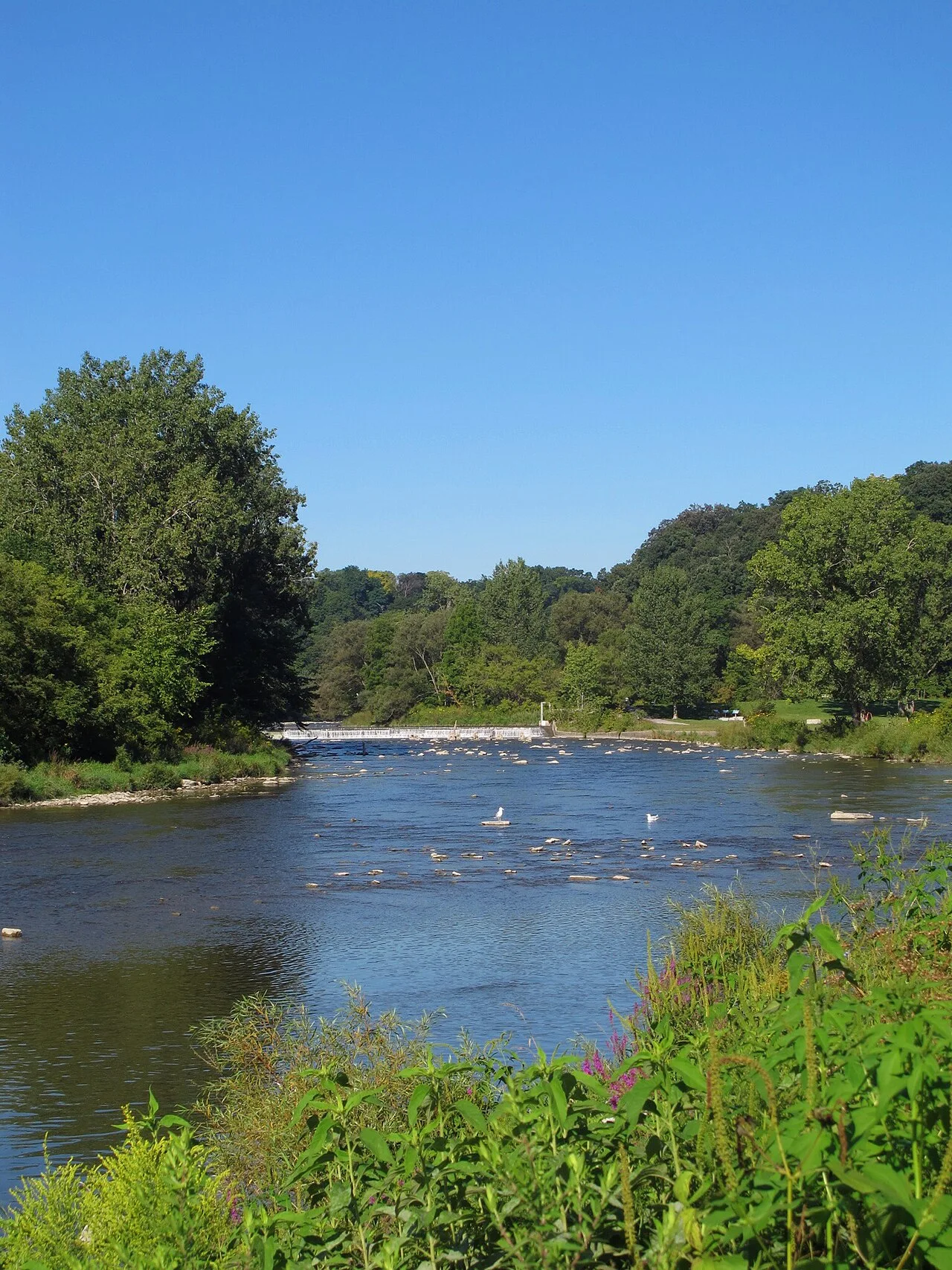
The supporting photograph shows the Humber from Étienne Brûlé Park in an earlier year. It gives geographical context, not a current water-level reading. Your route should be based on conditions and signage on the day, particularly where banks are steep or muddy.
Highland Creek and the October 4 event
Morningside Park, at 390 Morningside Avenue in Scarborough, is the setting for TRCA’s October 4 event. The program includes educational stations, activities and a self-guided interpretive trail. Optional guided walks are planned roughly every 30 minutes, subject to guides being available and river conditions.
A general event registration does not reserve a place on a particular walk: TRCA describes those walks as first come, first served. If a guided walk matters most to your group, ask about the next available departure when you arrive. Leave time for the stations so the visit remains worthwhile if the walk is full or conditions change.
This option suits people who want help understanding what they are seeing. A scheduled event can provide context about the watershed and fish migration that is harder to get from a quick look over a bridge. It still cannot guarantee wildlife will appear on cue.
What kinds of fish might you see?
TRCA’s salmon guide identifies Chinook as the salmon most commonly observed in regional streams and rivers. It also discusses coho, Atlantic salmon and trout, including the distinction between autumn migrations and rainbow trout’s spring spawning. A large fish in a Toronto river is not automatically an Atlantic salmon.If you are new to identification, record what you can actually observe: approximate size, body shape, visible markings and the location. A clear photograph taken from the path may be more useful than an overconfident species label. You can compare it with the authority’s illustrated guide later.
TRCA links an interactive story map for viewing locations and submitting observations. That makes a sighting more useful than a standalone social post, provided the time and location are accurate. Do not copy somebody else’s sighting into a new report as though you observed it yourself.
Build the visit around watching from the path
Our suggested approach is deliberately simple: pick a public viewing area, stay out of the water and give the fish space. Do not chase, lift or reposition wildlife for a photograph. Keep children close beside the river, and avoid scrambling onto wet structures to copy a dramatic camera angle.
Bring footwear appropriate for a park walk and only the equipment you can comfortably carry. Binoculars or a camera zoom can help you look from farther back. Share narrow viewing points, avoid blocking cyclists or walkers, and keep pets under control so the visit does not become a disturbance for wildlife or other people.
A wildlife-watching guide is not fishing advice. If you intend to fish, look up the current rules for the exact waterbody and species separately. The fact that visitors can see fish at a particular barrier does not establish that fishing is permitted there.
Choose a route that works even without a sighting
For an independent visit, choose one river area and a manageable return route. For an outing with children who may lose interest while waiting, the October 4 event offers several activities beyond looking for fish. For someone with limited walking tolerance, verify the actual path surface and access point rather than relying on a park’s overall reputation.
A useful family plan is to set a modest observation goal: watch the water carefully, notice how a fish moves against the current, and learn one thing about the river. That keeps the experience meaningful without promising a spectacular jump or a particular number of animals.
If conditions are poor, switch to a different outdoor plan rather than trying to force a riverbank visit. Our High Park guide and waterfront walk offer other Toronto outings. Check their conditions too, and return to the salmon viewing area when a safe public route is available.
Frequently asked questions
What month is the salmon run in Toronto?
Autumn is the main season. Destination Ontario identifies late September to mid-October as a typical Humber window, but weather and water conditions affect timing.
Where can I watch salmon in Toronto?
The Old Mill and Étienne Brûlé Park area on the Humber is one option. Highland Creek and Morningside Park are options in Scarborough. Use public paths and check current conditions.
Is the Morningside Park salmon event free?
Yes. TRCA lists its October 4, 2026 event as free, from 10 a.m. to 3 p.m., and provides a registration link. Guided walks depend on availability and conditions.
Are salmon sightings guaranteed?
No. Neither a seasonal guide nor an event booking can guarantee a wildlife sighting.
Sources & useful links
Details checked on September 22, 2026. Dates, availability and admission conditions can change. Confirm the current details with the linked organizers before making plans.
.jpg)
