The GTA’s 2026 municipal elections: a closer look at Mississauga, Brampton and Markham
One election day, three very different ballots. The candidates, voting options and council decisions that matter across Peel and York.
At a glance
Key details
The details that matter most, in one place.
- Election day
- Monday, October 26, 2026.
- Cities covered
- Mississauga, Brampton and Markham.
- Mayoral candidates
- Mississauga 14 · Brampton 12 · Markham 3.
- Information checked
- September 13, 2026; follow official links for changes.
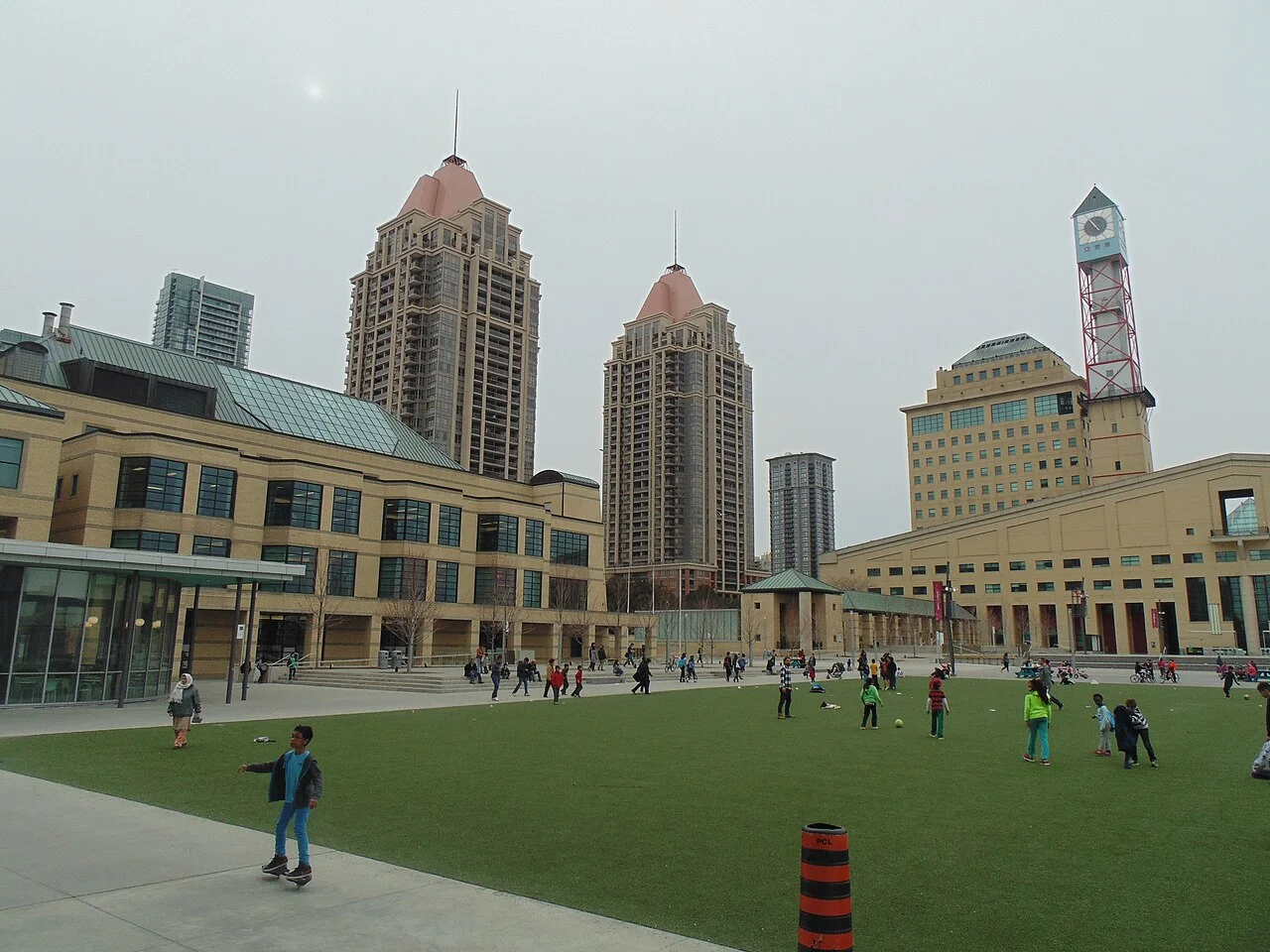
The October 26 municipal election extends well beyond Toronto. Mississauga, Brampton and Markham are choosing local representatives too, but residents are not voting for interchangeable versions of the same council. Different ward systems, regional seats and voting methods make each election its own practical exercise. Mississauga election information; Peel election information; Markham voting dates.
This comparison covers the three cities rather than every municipality in the Greater Toronto Area. It looks at the certified mayoral fields, how the ballots work and the budget questions that connect the campaigns to everyday services. Candidate information and voting arrangements were checked on September 13, 2026.
The main lesson is simple: keep the city attached to the instruction. Toronto’s mail-ballot deadline is not a GTA-wide deadline. Markham’s online voting option is not a service offered automatically by every neighbouring city. The election office administering your ballot is the authority for your registration and voting arrangements.
In this article
- Compare the voting calendars first
- Mississauga: a crowded mayoral field and a regional connection
- Brampton: understand the ward pairings at City Hall
- Markham: three mayoral candidates and four regional seats
- Why Peel and York belong in a local election story
- Why the tax headlines do not form a simple ranking
- Turn the budget documents into questions for candidates
- Build your own ballot checklist
- Frequently asked questions
Compare the voting calendars first
| City | Earlier voting options | Where to check |
|---|---|---|
| Mississauga | October 6–7 at the Civic Centre; October 8–11 at listed locations. Advance hours: 9 a.m.–6 p.m. | Advance locations |
| Brampton | October 9–11 and 16–17. Fridays: noon–8 p.m.; listed weekend days: 10 a.m.–5 p.m. | Dates and locations |
| Markham | Online October 16–26; in person October 23–26. Special ballot by weekday appointment September 28–October 22. | Ways to vote |
Times are local. These rows summarize options, not every location or eligibility condition. Markham’s linked page supplies the voting methods; use its voter information tool for the hours and location applying to your choice.
Notice the differences even within advance voting. Mississauga starts at the Civic Centre before opening its broader set of locations. Brampton’s first Friday is at City Hall, and its later dates offer a different selection of places. Markham separates the online period from the shorter in-person period. A remembered location from another election can therefore send you to the wrong place.
Plan one method and one applicable timetable. If you need assistance, contact the local election office early enough to arrange it. An accessible voting machine, a proxy appointment and a home-voting service are different arrangements, with different conditions.
Mississauga: a crowded mayoral field and a regional connection
Mississauga’s official linked directory lists 14 certified mayoral candidates. The names are shown below in the directory’s surname order. Carolyn Parrish, Bonnie Crombie, Dipika Damerla and Alvin Tedjo all appear, but they are part of a substantially larger field. City certification page; full candidate directory.
- Karam Ahmed
- Aamir Bhatti
- Bonnie Crombie
- Dipika Damerla
- Gord Elliott
- Frank Fang
- Amjad Jilani
- Mohsin Khan
- Mike Matulewicz
- Fadi Naami
- Carolyn Parrish
- David Shaw
- Alvin Tedjo
- Ana Luisa Vasquez de Espinal
The ballot also includes your ward/regional councillor and the school-board contest for which you are eligible. That combined councillor title matters: the elected representative’s work connects the local municipality with regional decisions. Mississauga’s ballot explanation.
When comparing campaigns, keep those two levels visible. A promise about a neighbourhood park and a promise about regional infrastructure can require different budgets and decision-makers. Ask whether the candidate is promising an action of City council, a position they would take at Peel, or advocacy to another government. Being able to raise an issue is not the same thing as controlling its delivery.
Mississauga lets eligible voters use any available advance-voting location in the city. On election day, voting is at an available location within the voter’s ward. The City also describes a certified proxy process and a limited front-door voting pilot for qualifying homebound voters. Do not assume the pilot is available on demand; the Elections Office decides eligibility. Official voting options.
A sensible starting point is to confirm your ward and school support, then compare every candidate running for the offices on your ballot. Candidate websites are useful for the positions candidates choose to publish. The official directory establishes who is certified; it does not endorse those positions.
Parrish is the incumbent, elected in the June 10, 2024 by-election. That gives this contest a different timeline from cities whose mayors have held office for several full terms: voters are assessing a little over two years of her mayoralty. A fair examination separates commitments made before that by-election from decisions taken since. Mississauga’s current council and election history.
Brampton: understand the ward pairings at City Hall
Brampton’s certified list contains 12 mayoral candidates, including Patrick Brown. It records an amended certification signed August 25, following a court-ordered addition in a City councillor contest. That is a concrete reason to use the current official list instead of an earlier nomination-day screenshot. Brampton’s certified candidate list.
- Jagruti Bhatt
- Patrick Brown
- Gurdeep Singh Dhothar
- Vidya Sagar Gautam
- Prabh Gill
- Wesley Jackson
- Najma Khurram
- Nathaniel Peart
- Prabhjot Kaur Sidhu
- Sandeep Somal
- Paul Tarriwal
- Gaurav Walia
The city uses five ward pairings: 1 and 5; 2 and 6; 3 and 4; 7 and 8; and 9 and 10. Voters elect a City councillor and a regional councillor for their pairing, alongside the citywide mayor and an eligible school-board representative. These are separate offices, not two names competing for one council position. How Brampton’s ballot works and office-by-office candidate lists.
That structure rewards reading beyond the mayoral race. When candidates talk about neighbourhood spending, ask how they would work with the other representative for the pairing. When they talk about a regional service, establish which role they are seeking and how they would pursue the change through the relevant council.
For an earlier vote, Brampton’s advance schedule includes October 9–11 and October 16–17. The official location list changes by day, and Friday hours differ from weekend hours. All advance locations are listed as having accessible voting units. Brampton advance voting details.
Brown has led Brampton City Hall since his 2018 election and was re-elected in 2022. His record therefore spans two terms, giving voters a longer period over which to examine delivery than a single annual budget. The useful comparison is between dated commitments, the decisions council actually adopted and the results visible by 2026. Brampton’s official mayoral biography.
Markham: three mayoral candidates and four regional seats
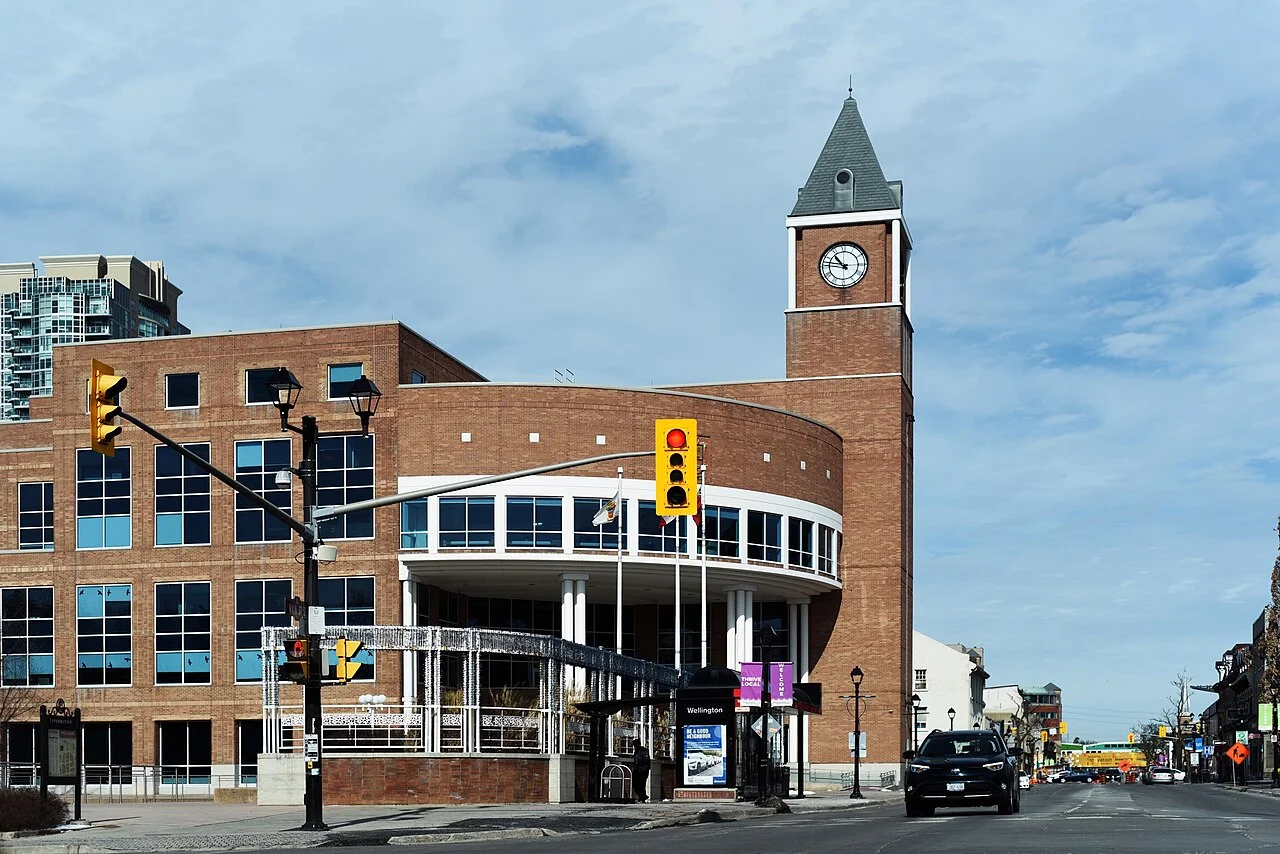
Markham’s certified mayoral field is Stephen Edgell, Martin Ross and Frank Scarpitti. Its regional councillor list contains 11 candidates: Paul Chiang, Amanda Yeung Collucci, Don Hamilton, Jack Heath, Alan Ho, Michael Huang, Jim Jones, Ivy Lee, Joe Li, Joe Tay and Richard Tranquada. Those names are a dated snapshot of the official certified list.
The City elects one mayor, four regional councillors citywide and eight ward councillors, one per ward. School-board representation has its own areas. A regional contest in Markham therefore differs from Brampton’s one-seat-per-pairing regional races. Read the ballot instructions carefully for the permitted number of selections. Markham’s offices and voter information.
The citywide regional seats make the connection to York especially visible. Residents should ask those candidates how their proposals relate to regional transportation, housing and infrastructure plans, and how they would work with representatives from other York municipalities. A citywide campaign can still be tested against a specific route, project or service a resident uses.
Markham offers online voting from October 16–26 and in-person voting from October 23–26. Its earlier special-ballot option is by appointment at Elections Markham Headquarters on weekdays from September 28–October 22. Registration and the official instructions remain essential; the online period is not an invitation to use a third-party ballot website. Markham’s official voting methods.
If you are deciding between online and in-person voting, choose the method you can complete confidently and privately. Go through the City’s official election pages to find the process. Do not send registration credentials or ballot information to a campaign or to a site claiming it can cast the vote for you.
Scarpitti is the incumbent with the longest mayoral tenure among these three cities: Markham records his mayoral election wins in 2006, 2010, 2014, 2018 and 2022. The scale of that record makes continuity a concrete issue to examine. Which long-running commitments should continue, and which decisions would Edgell or Ross change? A useful answer identifies a project or service, rather than treating experience or a fresh start as an outcome in itself. Markham’s mayoral election history.
Why Peel and York belong in a local election story
Peel’s election page directs voters to Brampton, Mississauga and Caledon because those municipalities administer the elections. It also describes a significant 2026 change: Ontario has announced its intention to appoint Peel’s next Head of Council under the Better Regional Governance Act, 2026. The Region says the application period is closed. This is an appointment process, not an additional region-wide public ballot described on that page. Peel’s election and appointment information.
The regional budget shows why that layer matters. Peel’s approved 2026 plan includes substantial water and wastewater infrastructure spending, paramedic investments and capital work on community housing and shelters. These responsibilities connect housing supply, emergency response and public infrastructure across municipal boundaries. Peel’s adopted budget announcement.
In York, the Region’s published plans cover transportation, housing and homelessness, and the assets needed to deliver services. Those documents give Markham’s regional candidates a concrete set of commitments to discuss. York’s plans and strategies.
The editorial test is responsibility, funding and delivery. If a candidate promises a faster commute, ask which roads or transit services are involved. If they promise housing, ask about the infrastructure needed before people can move in. A regional partnership can be central to a local outcome, but “working with partners” needs a clearer explanation than a campaign slogan.
Why the tax headlines do not form a simple ranking
Campaigns often reduce a budget to one percentage. Across these cities, that percentage may describe a change to the municipality’s own levy, a contribution to the overall property-tax bill, or a combined impact that includes the region. Putting those numbers in a lowest-to-highest chart without checking their bases would be misleading.
Mississauga: the adopted-budget announcement separates a 4.39 per cent City budget increase from its 1.61-percentage-point contribution to the residential bill. Adding the stated regional contribution produces a 5.21 per cent total increase. It also describes a one-year reduction in an infrastructure levy and a one-year pause in a fire-program levy. The question for candidates is what happens when those temporary measures end. Mississauga’s adopted budget explanation.
Brampton: the City describes a zero increase to its City portion plus a one per cent hospital levy. That wording should not be shortened to a promise that the entire household tax bill is unchanged. The hospital contribution, regional component and applicable education component need to be considered separately. Brampton’s budget description.
Markham: the City’s adopted budget reports a 3.90 per cent increase and an additional $54.99 for the average household’s City portion. That is not a directly comparable measure of the complete bill in Mississauga. Markham separately explains the components of the tax bill. Markham’s adopted budget; tax-bill explanation.
A fair comparison starts with the same assessed property value, the same property class, all relevant bill components and the services included. Then examine whether a candidate’s proposed savings recur annually, whether repairs are being deferred, and whether fees would change. A lower percentage on an incomplete base does not establish a lower overall cost.
Turn the budget documents into questions for candidates
Existing capital plans provide better starting points than an abstract request to “fix infrastructure.” Mississauga’s budget identifies continuing work on South Common Community Centre and Library, with reopening anticipated by the end of 2027. Markham’s capital allocations include $53.8 million for road work and traffic improvements, and $34.5 million for flood control, stormwater work, ponds and culverts. These are plans and allocations, not confirmation that all work is complete. Mississauga capital commitments; Markham capital allocations.
Ask what would happen to an already-funded project under each candidate’s proposal. Would its scope change? Would money move to a different project? Who would bear the cost of delay? This is more revealing than asking whether the candidate supports parks, safe roads or affordable housing in principle.
Budget promises also need to fit the office’s legal powers. Ontario’s strong-mayor framework describes the proposal, amendment and veto processes in designated municipalities. Council and other governments still have defined roles. Ontario’s guide to strong-mayor powers.
- Define the result: the number of homes completed, a service frequency, a repair deadline or another measurable outcome.
- Identify the decision: the council vote, budget change, agreement or approval required.
- Show the money: both the initial cost and the ongoing operating commitment.
- Name the dependency: another government, utility, agency or private partner that must act.
- Explain the trade-off: what gets less money, happens later or requires a higher charge.
Use the same questions for incumbents and challengers. An incumbent can point to a record but should explain unfinished commitments. A challenger can propose a different direction but should show how it could be delivered. Neither status answers the questions on its own.
Build your own ballot checklist
Begin with your municipality’s official election page. Confirm the address on your registration, your ward or ward pairing, and the school-board contest that applies to you. Someone can recognize every mayoral candidate and still have the wrong councillor list open. Separate those checks before comparing policies.
Next, save the names for each office and choose your voting method. Use the current location schedule and its hours, rather than relying on a familiar school or community centre. If you need a proxy or an accessible alternative, follow the municipality’s process; one city’s arrangement does not authorize a vote in another.
Keep the dates and candidate lists in this article attached to their September 13 check date. An official correction, court decision or operational change can make an older screenshot unreliable. The sources below are direct routes back to the administrators and budget documents, so you can check a detail without relying on a campaign’s interpretation.
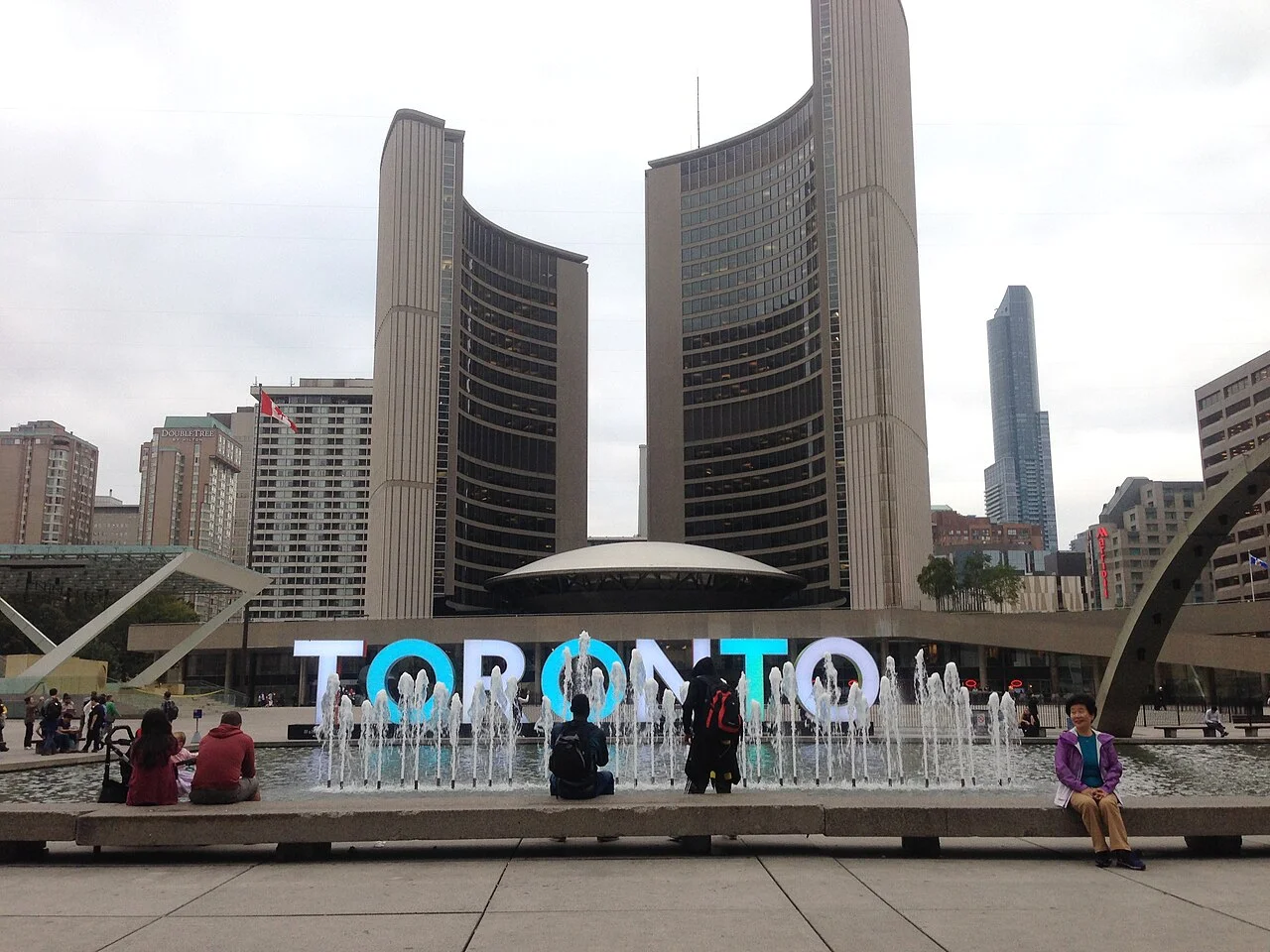
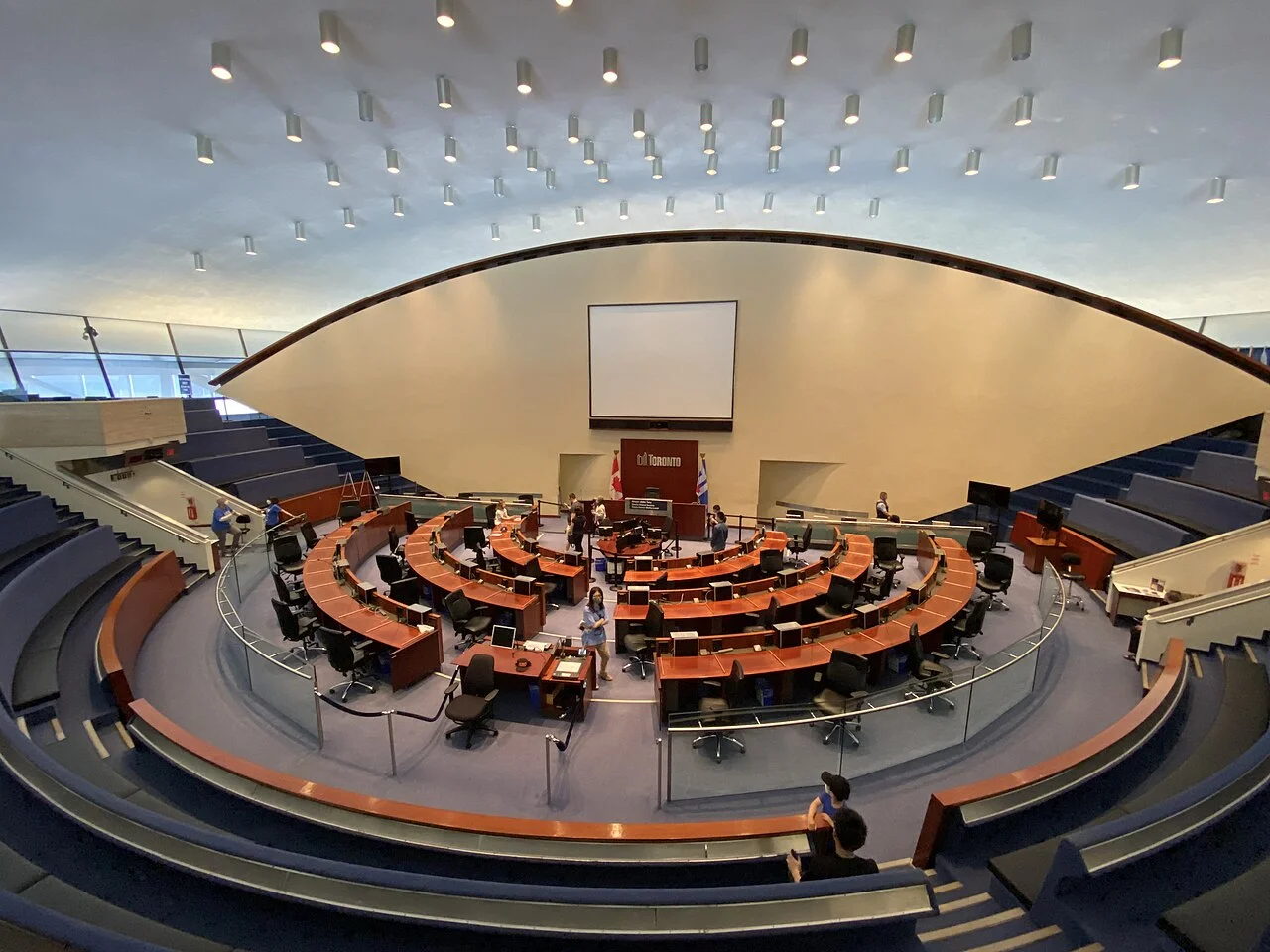
For the Toronto ballot, read our companion Toronto municipal election deep dive. It covers the 53-person mayoral field, mail-in deadlines, council powers and the TDSB’s supervision status. Together, the two pieces explain the elections across these four cities without merging their different rules.
Frequently asked questions
Are these cities voting on the same election day?
Yes. The regular municipal election day is October 26, 2026. Earlier voting periods and available methods differ. Use the linked election office for the instructions and hours applying to your ballot.
Can I vote online in all three cities?
Do not assume so. Markham explicitly offers online voting October 16–26. Mississauga and Brampton publish their own voting options; Markham’s online process does not apply to their elections.
Are Markham regional councillors elected ward by ward?
Markham elects four regional councillors citywide, alongside one councillor for each of its eight wards. Brampton instead elects a regional councillor and a City councillor for each ward pairing.
Does a zero City tax increase mean my entire bill stays the same?
No. A statement about the City portion can exclude regional taxes, education amounts and separate levies. Check the full bill and the basis of the percentage before comparing municipalities.
Sources & useful links
Details checked on September 13, 2026. Candidate information and voting arrangements can change. Use the official links below to confirm the details that apply to you.
- Mississauga Votes — voter information
- Mississauga Votes — certified candidate directory
- Mississauga — official VoterView candidate list
- Mississauga Votes — advance voting locations
- Mississauga Votes — ways to vote
- Brampton — certified candidates, amended August 25, 2026
- Brampton — voting information
- Brampton — advance voting dates and locations
- Markham — certified candidates
- Markham — voting and ballot offices
- Markham — ways to vote
- Peel Region — 2026 municipal election and Head of Council process
- Peel Region — 2026 budget approved, December 11, 2025
- York Region — plans, reports and strategies
- City of Mississauga — 2026 budget adopted, January 28, 2026
- City of Brampton — adopted 2026 budget
- City of Markham — Budget 2026, adopted October 31, 2025
- City of Markham — about your tax bill
- Ontario — strong mayor powers and duties
- Mississauga: current mayor and councillors
- Brampton: mayor’s biography
- Markham: mayor’s office
.jpg)
